The Growing Demand for Female Voice Actors and Why It Matters

You’ve heard the shift in your audience. They want voices that are human and reflect the world they live in. They tune out anything that sounds fake or forced. If you’re searching for talent that brings connection to your message, you start paying attention to female voice actors.
The rise in demand for female voice actors isn’t a trend. It’s a response to what listeners trust. When a voice speaks with warmth and purpose, your story holds their attention. That difference shapes how your brand sounds and how your audience responds.
Why the Demand for Female Voice-Over Is Rising
Audiences respond to warmth and connection and are increasingly finding that female voice actors can expertly fulfill those needs, even if they may not have been considered for certain roles in the past. Marketing has shifted toward personal, honest messaging, and listeners engage more when the voice speaking to them feels relatable.
Advocacy efforts like the Building Doors VO campaign highlight gaps in representation and push the industry toward equity. Their data shows how underrepresented women are across several genres, especially in sports and high-impact promos. Those gaps reveal opportunity, and the industry is paying attention.
Diversity in voice builds trust. When audiences hear a wider range of voices, content is more inclusive and more aligned with the world we live in. Companies know this, and they’re searching for voices that help them reflect the communities they serve.
The Female Voice Actor Skillset

Female voice actors bring range, clarity, and presence to their work. Listeners respond to delivery that feels grounded and real, and many brands search for voices that speak with that level of connection. When a message needs honesty rather than projection, a well-trained female voice actor brings skill and intention to the read.
Female voice talent shifts tone across genres with steady control. Corporate narration calls for steadiness and calm. Commercials need energy and clear intention. eLearning asks for clarity without fatigue. That flexibility reflects training and experience rather than gender, and it supports projects that call for precision without losing humanity.
Women continue to step into genres that once leaned toward male voices. Sports promos, trailers, and high-impact announcements now feature female narrators who deliver strength with ease. As more women earn visibility in those spaces, the industry gains access to a wider range of sounds that serve the audience and the story.
Industries Driving Female Voice-Over Growth
Female voice actors shape a wide range of projects, and certain industries feel that shift more than others. These sectors show that demand for female voice talent continues to rise.
Sports and Broadcasting
Sports remain one of the most under-represented spaces for female voices, yet demand continues to grow each year. Broadcasters and production teams know audiences respond to voices that sound real and inclusive, and more women are stepping into these roles. The shift is steady and reflects a wider cultural need for balance in a genre long dominated by a single sound.
Educational Voiceovers
Corporate training, medical narration, and eLearning rely on clear narration that supports learning without fatigue. Female voice actors bring steady control and grounded delivery to long-form content through skill and preparation. Those qualities help audiences stay present without feeling rushed or overloaded. As more women work in these genres, the field gains wider representation and a richer range of voices that support learning in meaningful ways.
Digital Ads and Storytelling
Digital ads and brand storytelling seek voices that feel fresh and authentic. Brands want messaging that speaks to the listener, not at them. Female voice actors meet that need with a delivery that feels personal and connected, helping audiences stay present from the first line to the last.
5 Steps to Hiring the Perfect Female Voice Talent
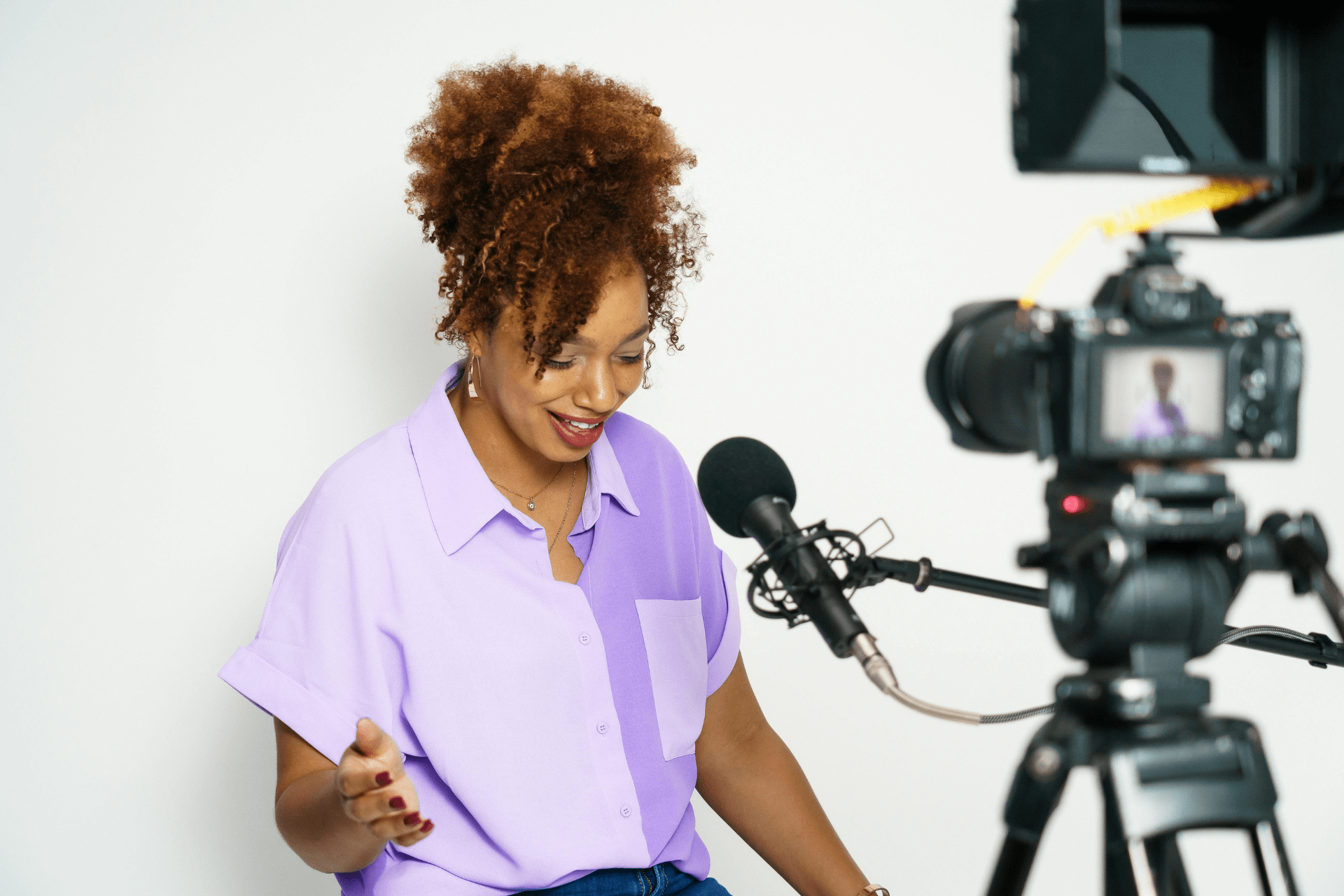
Hiring the right female voice actor starts with clarity. You need a voice that reflects your message and speaks honestly to your audience. These steps help you find the right match.
Step 1: Define the tone your brand needs.
Every brand carries a sound. Some need calm confidence. Others need warmth with authority. Before you hire, decide how you want your audience to feel when they hear your message. A strong female voice actor aligns her delivery with that vision and brings it to life.
Step 2: Listen for versatility.
A dependable voice actor adjusts tone, pacing, and presence without losing authenticity. You want someone who moves between styles with intention. Versatility shows up in demos that feels connected across genres instead of scattered.
Step 3: Look for true professionalism.
Professionalism shows in communication, deadlines, and consistency. A skilled female voice actor records professional-grade audio, self-directs with ease, and shows up prepared. That steadiness saves you time, reduces revisions, and keeps production on track.
Step 4: Confirm studio readiness.
Your project needs clean, reliable audio. A well-treated space, broadcast-quality microphone, and a solid audio recording chain matter as much as the voice itself. Ask for a raw sample. You’ll hear the difference right away.
Step 5: Prioritize respectful representation.
Hiring thoughtfully means choosing a voice that aligns with the story you want to tell. When you look beyond stereotypes and focus on truth and connection, your message gains strength. Your audience feels seen, and your brand earns trust.
Breaking Through Misconceptions in Female Voice Over
Misconceptions shape how the industry sees female voices, and those beliefs deserve correction. Skill, consistency, and visibility determine opportunity, not gender. When a female voice actor brings range and control to a session, she belongs in any genre.
Bias still shows up in subtle ways. Some teams hesitate to cast women in roles tied to authority or high energy. Awareness helps break those patterns. When brands challenge old habits and listen with intention, they hear how female voices elevate projects across the board.
Agencies and production teams benefit when they widen the door. A broader range of voices expands creative direction and strengthens storytelling. Audiences respond to sound that reflects their world, and more diverse casting supports that connection.
Final Thoughts on the Growing Demand for Female Representation in Voiceover
The industry grows when it hears more voices, not fewer. Women make up more than half of the world’s population, and widening the casting pool reflects the audience brands want to reach. Strong voiceover work comes from training, control, and connection, and those qualities show up across genders.
Female voice actors bring the full range of reads from powerful to quiet to conversational, and they hold space in every genre. When teams cast with intention rather than assumption, stories reach more people and sound closer to the world we live in.
Female Voice Over: Frequently Asked Questions
What opportunities exist for female voice actors?
Female voice actors book work in commercial campaigns, corporate narration, eLearning, medical narration, podcasts, documentaries, animation, live-announce, video games, and digital ads. Demand continues to grow in sports, promos, and high-impact storytelling as more brands seek voices that feel relatable and authentic.
How much do female voice actors earn compared to their male counterparts?
Female and male voice actors earn similar rates when projects follow industry guides like SAG-AFTRA or GVAA. The posted rates stay gender-neutral. The gap appears in access. Men book more high-value roles due to casting bias, a higher number of male characters, and long-held beliefs about authority in voice tone. In non-union work, women sometimes quote lower rates, which widens the earnings difference. The rates match on paper, but opportunity shapes annual income.
What skills set female voice talent apart in commercial and corporate work?
Professional female voice talent brings clarity, warmth, and intention to long-form and short-form content. They adapt tone quickly and stay grounded in scripts that require trust, calm authority, or emotional connection. That versatility helps brands communicate with presence rather than pressure.
How can women break into male-dominated voice-over genres?
Women break into male-dominated genres by showing strong control, clear sound, and steady confidence. A focused demo, consistent training, and visible industry advocacy help shift assumptions about who belongs in roles tied to authority or power. When casting, listen without bias, and female voices naturally earn space.
Ready to Hire a Female Voice Actor? Work with Lauren Bandman, VO

If you want a voice that brings depth, clarity, and real connection to your project, I’m ready to help you make that happen. I deliver broadcast-quality audio, steady professionalism, and a grounded read that supports your message from the first line to the final mix. If you want a partner who treats your project with care and brings your story forward with intention, let’s talk.