Your Radio Ads Need Professional Voiceover: Here's Why
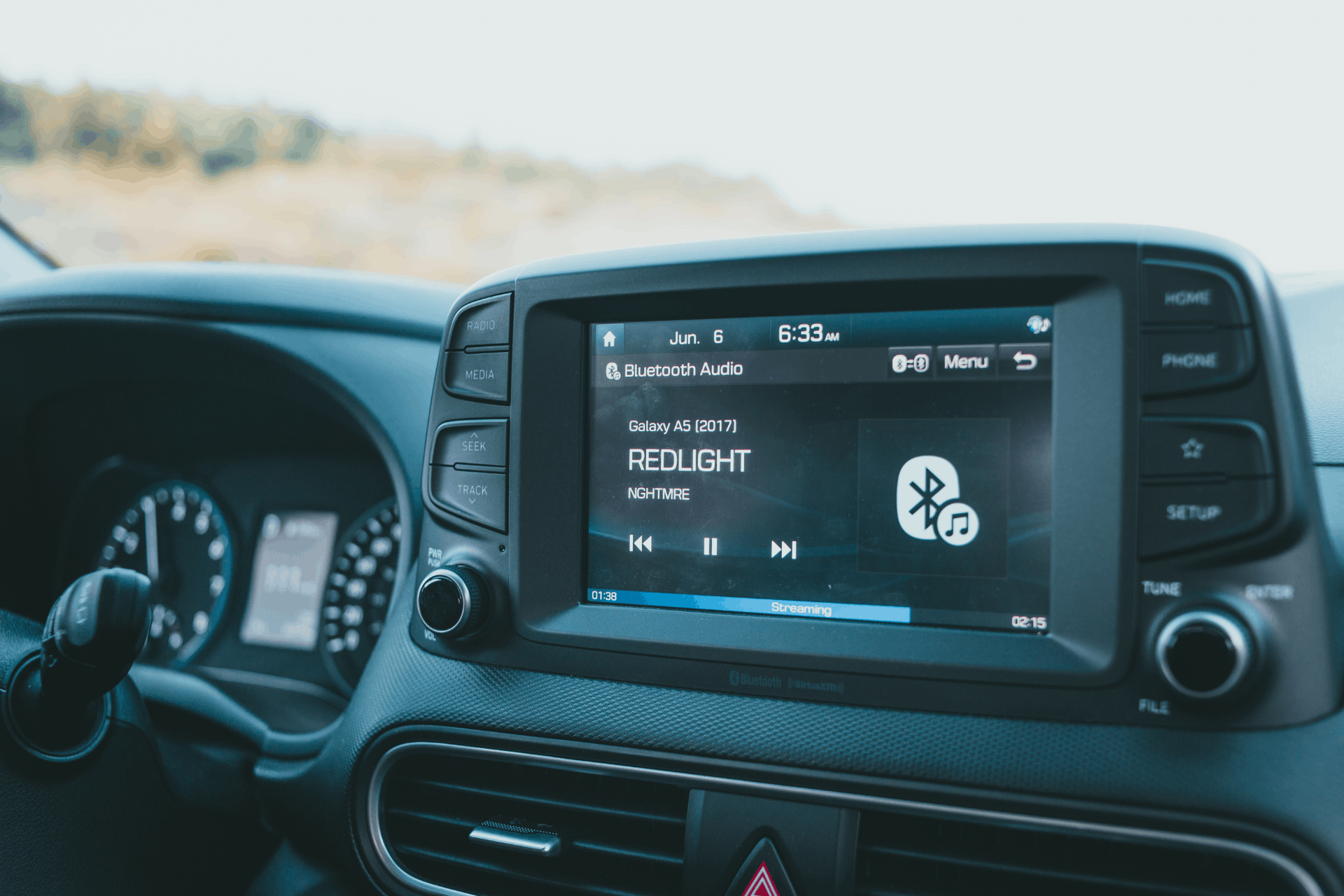
You’ve invested in the media buy. Your radio ads are scheduled to run. Then someone suggests saving time (and money) by using AI for the voice. It sounds efficient until you remember one thing: radio lives or dies by what listeners hear.
When your ad plays between songs or podcasts, the voice becomes your brand for those thirty seconds. A voiceover that feels flat or synthetic doesn’t just sound wrong. It makes the entire message easier to ignore.
If you’re spending real money on radio ads, the voice behind them deserves the same level of thought as the campaign itself.
Radio Ads Are More Powerful Than You Think
Radio remains one of the most consistent ways to reach a real audience. Even as marketing spreads across digital platforms, radio still reaches 92% of adults in the United States every week, according to the Nielsen Audio Today Report. That level of reach puts radio in the same conversation as the largest media channels available to marketers.
Trust also plays a major role in radio’s effectiveness. Research from Edison Research shows that 58% of listeners trust radio advertising more than many other forms of media. When an ad plays during a trusted program or between familiar songs, it enters a listening environment where audiences already feel comfortable.
Audio also builds familiarity in a way that visual media doesn’t. Radio reaches people while they drive, work, cook, or exercise. Your message lands in moments where listeners are engaged but not staring at a screen. That environment makes the voice delivering the ad carry the entire experience.
Because of that, voice becomes the centerpiece of the message. In radio ads, listeners don’t have visuals to guide them. The tone, pacing, and authenticity of the voiceover determine whether the ad feels credible or forgettable.
The Impact of Human Voice in Radio Ads
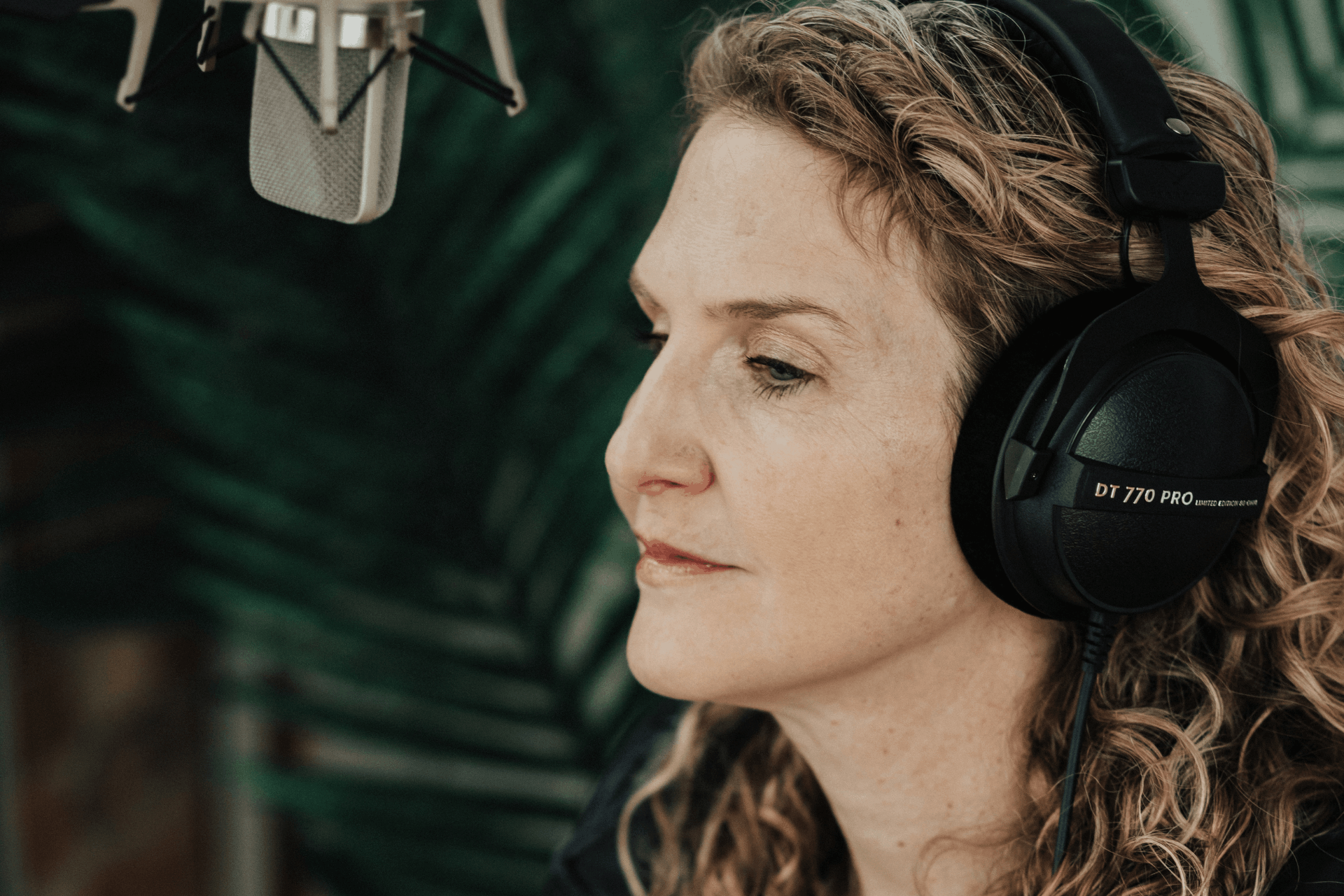
Radio ads succeed or fail based on what listeners hear. Without visuals, the entire message depends on sound and delivery. The voice becomes the vehicle for tone, meaning, and credibility in every second of the ad.
A well-delivered voiceover does more than read the script. It guides the listener through the message. Pacing highlights key ideas, emphasis signals what matters, and tone creates an emotional connection that keeps the audience engaged.
This is why delivery often matters more than the script itself. Two ads may use identical copy, yet one holds attention while the other fades into the background. The difference lies in how the message is performed.
Professional voice actors also strengthen memorability. Human storytelling carries rhythm and nuance that listeners recognize instinctively. That natural delivery improves recall and helps audiences retain the brand long after the ad ends.
For this reason, brands that rely on radio consistently invest in professional voice talent. A skilled voiceover artist turns a block of copy into a message that listeners actually hear, understand, and remember.
What a Professional Voiceover Artist Brings to Radio Ads
Radio ads don’t have visuals to help carry the message. Everything depends on what the listener hears in a short window of time. A professional voiceover artist understands how to shape delivery so the message lands clearly and stays with the audience.
Clear Message Delivery
Radio moves fast. Listeners hear ads while driving, working, or doing something else. A trained voice actor controls pacing and emphasis so the key message cuts through distractions. Clear articulation also prevents important details from getting lost in the speed of a thirty-second spot.
Audience Engagement
Professional voice actors hold attention through natural rhythm and tone shifts. Instead of sounding like someone reading copy, the delivery feels conversational and intentional. That difference keeps listeners present long enough for the message to register.
Brand Personality
Every brand has a voice, even when it’s not visual. The tone of the voiceover shapes whether an ad sounds confident, welcoming, playful, or authoritative. A skilled voice actor aligns delivery with the identity of the brand so the ad feels consistent with the larger campaign.
Audio Quality That Meets Broadcast Standards
Professional radio ads require clean, broadcast-ready audio. Voiceover artists record in treated environments using professional microphones and production standards that eliminate background noise and distortion. That quality ensures the ad sounds polished when it airs alongside major commercial campaigns.
What to Look for in a Radio Voiceover Artist
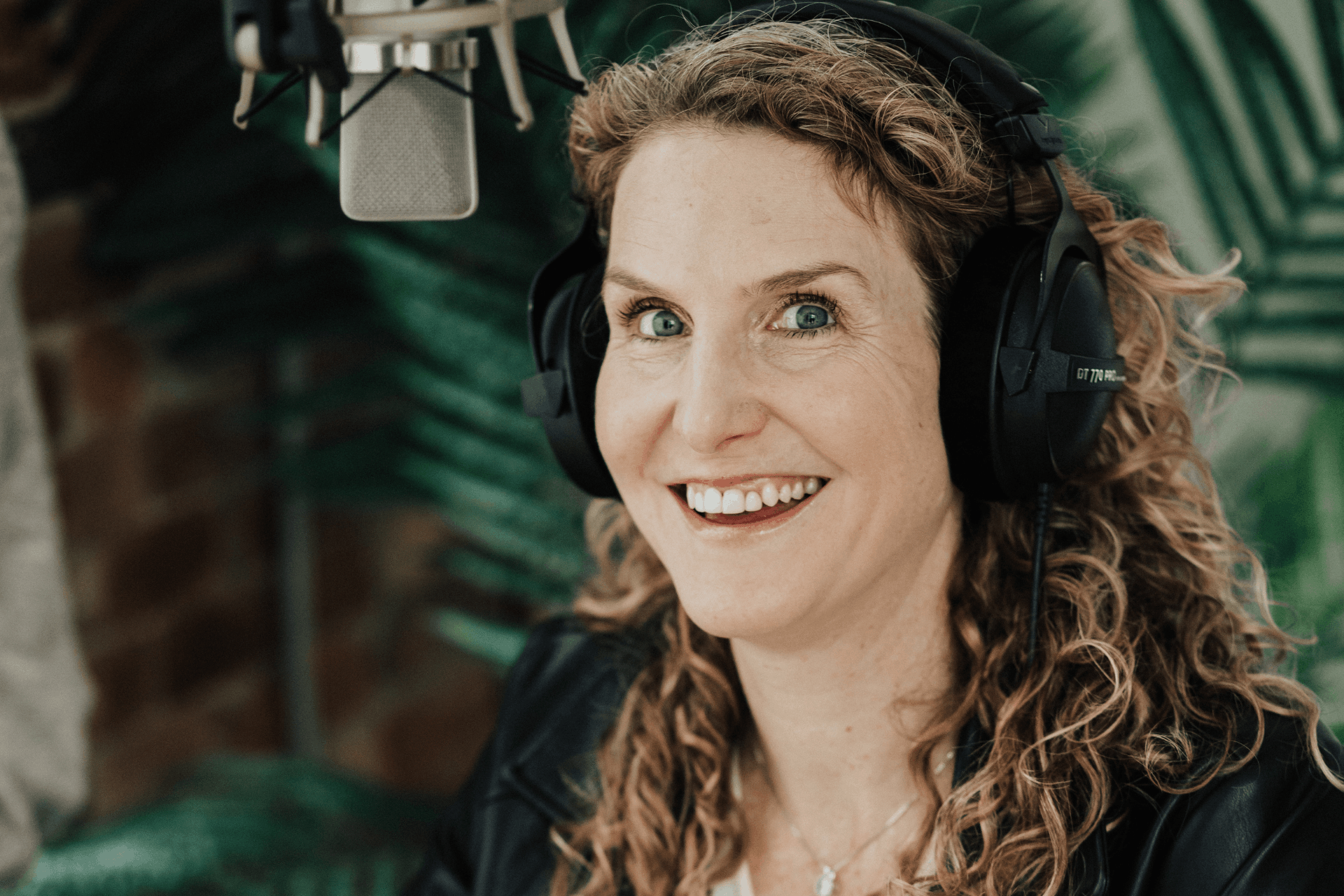
Not every voice works for radio. Because radio ads rely entirely on sound, the voiceover artist you hire plays a direct role in how clearly the message lands and how your brand is perceived.
Experience With Commercial Voiceover
Radio ads move quickly and require a specific style of delivery. A professional voice actor understands how to deliver copy within strict time limits while keeping the message natural and engaging. Their experience allows them to emphasize the right phrases without sounding rushed or scripted.
The Ability to Take Direction
Radio spots often evolve during production. A marketing team may want multiple reads, slight tone adjustments, or pacing changes. A professional voiceover artist listens carefully to direction and adapts quickly so the final recording matches the creative vision.
Broadcast-Ready Audio Quality
Radio requires clean, polished audio that sits comfortably alongside other commercial spots. Professional voice actors record in treated studios using broadcast-quality microphones and editing tools. Check out their portfolio to get a feel for their professionalism and delivery.
Consistency Across Campaigns
Many radio campaigns run for weeks or months at a time. Working with the same voiceover artist helps maintain consistency, so listeners recognize the brand immediately. This strengthens recall and makes future campaigns more effective.
Common Mistakes Brands Make With Radio Ads
Even well-funded campaigns lose impact when the voice component is treated as an afterthought. Radio depends entirely on sound, so small decisions around delivery and casting can determine whether an ad connects or disappears into the background.
Writing Scripts Without Considering Voice Delivery
Many radio scripts look good on paper but fall apart when spoken aloud. Long sentences, awkward phrasing, or too many ideas packed into a short spot make the message difficult to follow. A professional voiceover artist understands how spoken language flows and helps shape delivery so the message sounds natural and clear within the time limit.
Choosing Voices That Don’t Match the Audience
Every audience responds to tone differently. A voice that works for a high-energy retail promotion may not suit a healthcare message or financial brand. When the voice doesn’t match the audience, the ad feels disconnected. Choosing a voiceover artist who understands the intended tone helps the message feel aligned with the listener’s expectations.
Underestimating the Value of Professional Voiceover
Some brands assume any voice will work for radio as long as the script is strong. In reality, delivery determines whether the message is heard and remembered. A professional voiceover artist brings control over pacing, emphasis, and tone so the ad feels polished and credible instead of rushed or improvised.
Radio Ads vs AI Voice: Human Delivery Always Wins
AI voice tools promise speed and convenience. For radio ads, however, speed rarely equals effectiveness. Radio depends entirely on delivery, and that’s where the difference between automated audio and a professional voiceover artist becomes clear.
Human voice actors bring emotional intelligence to a script. They recognize when a line needs warmth, urgency, confidence, or restraint. That interpretation helps the message feel intentional rather than mechanical.
During a recording session, marketing teams often refine tone, pacing, or emphasis on the spot. A professional voiceover artist responds immediately to that direction. AI systems generate a fixed output, which limits the ability to adjust delivery in real time.
Authenticity is another factor listeners recognize instantly. Human speech carries subtle variation in rhythm, timing, and emphasis. These details make a performance feel natural. Automated voices tend to flatten those nuances, which makes the delivery sound generic.
The difference ultimately comes down to performance. AI reads the copy exactly as written. A voiceover artist performs it, shaping the message so it connects with the listener and reinforces the brand behind the ad.
Work With Lauren Bandman VO for Your Next Radio Ad

If you’re investing in radio ads, the voice behind the message matters. I work with marketing teams who need clear delivery, reliable collaboration, and broadcast-ready audio that holds listener attention. If you’re planning your next campaign, I’d love to connect and help bring your radio ad to life!