Healthcare Procedure Video Voiceover: A Complete Guide (2026)
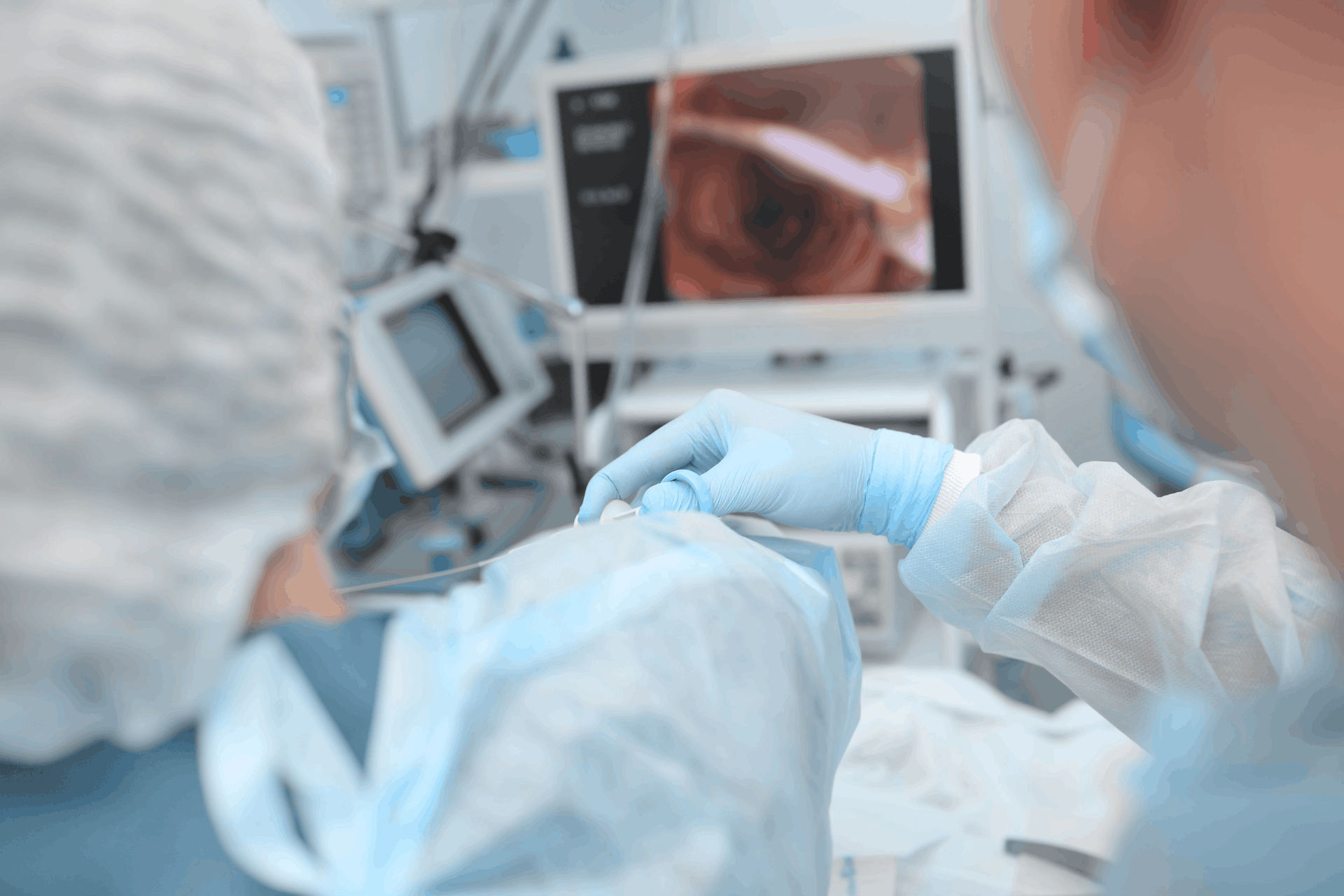
You need to produce a procedure video that explains important healthcare information clearly. The script is technical; the audience needs to understand it, and AI narration tools are suddenly everywhere, promising a faster way to get it done.
But procedure videos need more than a voice that can read the words.
This guide explains what a healthcare procedure video voiceover is, how it supports patient education and clinical training, where human narration outperforms AI, and what to look for when choosing the right voice for your healthcare video.
What is a Healthcare Procedure Video Voiceover?
Procedure video voiceover is a professional narration that guides viewers through a healthcare procedure, clinical process, medical device demonstration, or educational training video.
The voice gives the viewer a clear path to follow, helping complex information feel organized instead of overwhelming.
You hear it in patient education videos, medical training videos, clinical training videos, hospital training videos, healthcare eLearning, and voiceover for medical videos created by healthcare systems, agencies, and medical companies.
5 Types of Healthcare Procedure Videos
Procedure videos show up anywhere healthcare information needs to be explained with clarity and care.
#1: Patient Education Videos
Patient education videos help people understand what to expect before, during, or after a procedure. A patient could be preparing for surgery, learning about a treatment, or trying to make sense of recovery instructions.
They’re likely anxious, distracted, or hearing unfamiliar information for the first time. A calm, clear, warm voiceover makes the information feel less intimidating. The right voice serves as a handrail, helping the patient move from uncertainty to understanding.
#2: Clinical Skills and Training Videos
Clinical training explainer videos support healthcare professionals during onboarding, continuing education, and skill development. They explain protocols, workflows, patient safety steps, or clinical best practices.
The audience might be experienced, but they’re still learning the information they need to apply correctly. Professional medical narration gives the training structure and flow, helping clinicians stay oriented from one step to the next.
#3: Medical Device Training
Medical device training videos help providers understand how to use equipment safely and effectively.
That includes setup, operation, troubleshooting, cleaning, or step-by-step procedural use. When the content gets technical, the voice becomes the guide rail. A skilled medical voiceover connects the visual demonstration with the practical action for the viewer.
#4: Internal Hospital Training Videos
Hospital training videos standardize information across departments, locations, and teams.
The content covers safety procedures, compliance requirements, patient care processes, emergency protocols, and operational changes. These videos need to speak clearly to many people at once.
#5: Surgical and Technical Demonstrations
Surgical and technical demonstrations require careful step-by-step narration. These medical procedure videos support specialized learning, clinical education, or technical training. The visuals show what’s happening, and the voice organizes what the viewer is seeing.
If the narration rushes, the viewer loses the thread. If it drags, attention slips. Strong medical narration keeps the learning experience moving with control.
How Voiceover Improves Procedure Videos

Much like corporate narration and commercial voiceover, procedure videos are only as strong as the communication behind them. A beautiful video won’t land if the viewer doesn’t understand what they’re watching.
Clear Narration Improves Comprehension
Healthcare information is dense. There are technical terms, safety steps, timing instructions, device details, and plenty of places where confusion creeps in.
Professional procedure video voiceover helps the information land cleanly, in plain language as much as possible. Pacing, pronunciation, articulation, and emphasis work together so the listener follows the message without straining to keep up.
Guided Narration Supports Retention
People remember information better when it’s organized. Voiceover gives procedure videos to the organization. It signals what to notice, where to focus, and how each step connects to the next. Like a steady current beneath the visuals, narration carries the viewer from one idea to the next.
Consistent voiceover Creates Cohesion
Healthcare organizations need to teach the same process to many people across different teams, shifts, departments, or locations. Professional narration keeps that message consistent.
The tone, pacing, and delivery stay steady every time the video is watched. That consistency supports better training outcomes and reduces the “wait, what did they mean by that?” moments that happen when information is delivered unevenly.
The Right Voice Builds Trust
In healthcare communication, tone earns or loses trust quickly. A voice that sounds too casual makes serious content feel underweighted. A voice that sounds too cold creates distance.
The right healthcare voiceover sits in the middle: grounded, clear, warm, and professional. It helps the message feel credible without making it feel cold or overly clinical.
The AI Narration Problem in Healthcare
AI narration sounds smooth at first. But in medical narration, the “small” problems or inaccuracies become big, fast.
Medical Terminology Leaves No Room for Error
Medical terminology doesn’t leave much room for “close enough.” A mispronounced term, misplaced emphasis, or flat, robotic delivery pulls attention away from the message and makes important information harder to follow.
Human, professional medical voiceover brings preparation, accuracy, warmth, and nuance to the process. A trained narrator delivers complex language in a way that’s clear, steady, and appropriate for the patient, clinician, or healthcare team watching.
Procedure Videos Need Human Judgment
Procedure videos aren’t all the same. A patient-facing video needs a reassuring voice. A clinician training module needs to be precise. A medical device demonstration needs clean, steady authority.
AI voice struggles with that kind of judgment. It can read the script, but it doesn’t always understand what the moment is asking for. Human narration adapts the delivery to the audience, subject, and purpose of the video.
Healthcare Communication Demands Accountability
In high-stakes medical communication, the voice should not be a mystery machine humming in the background.
Human voice actors bring accountability to the project. They take direction, adjust pacing, rework emphasis, and respond to the production team's needs. That matters when every word in the script has a serious job to do.
Human Voice vs AI for Procedure Videos
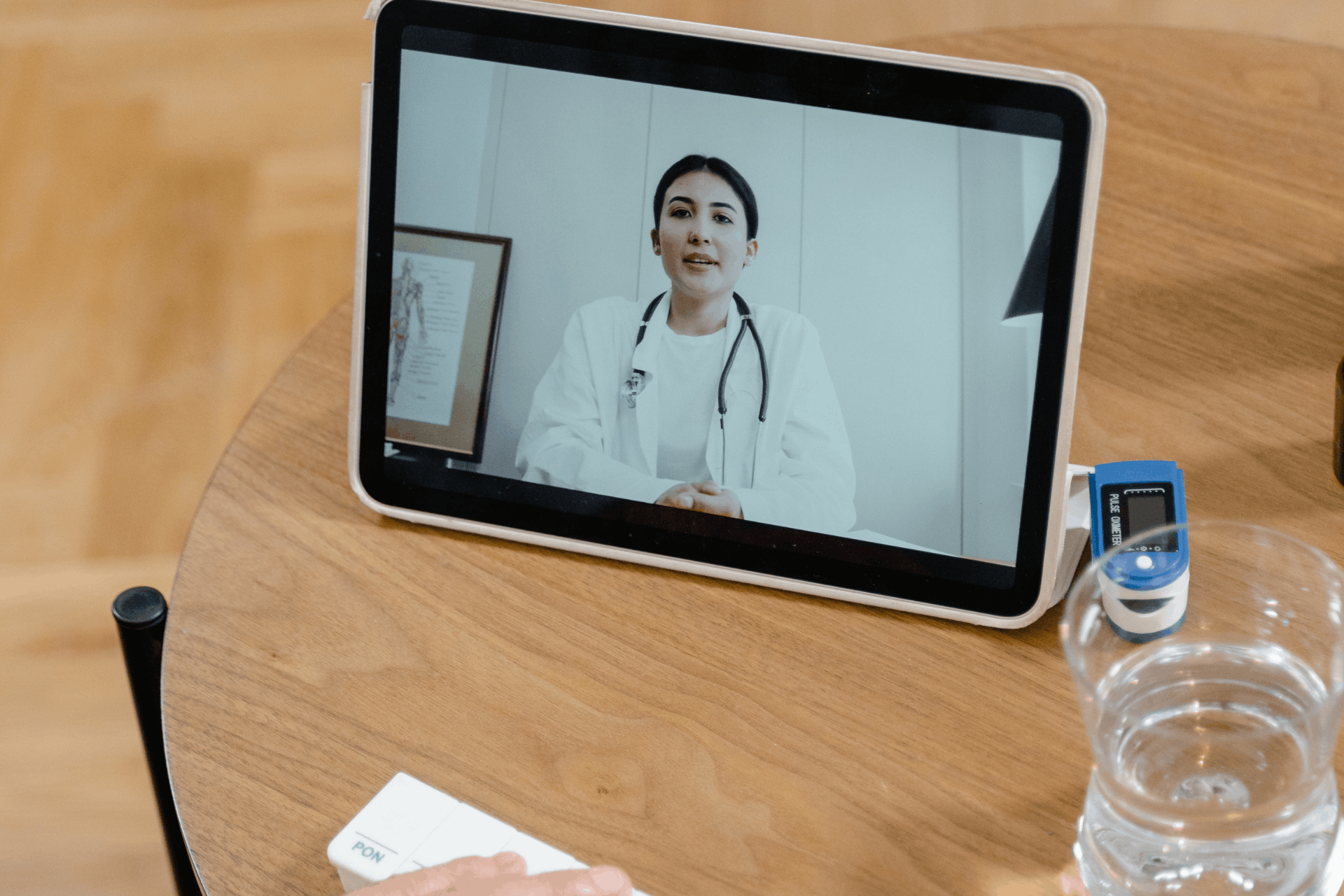
AI is fast, but fast isn’t always effective. The procedure video voiceover has to support understanding, not just spit out a script. That means understanding where a phrase needs weight and where the listener needs a breath before the next idea.
That judgment matters because procedure videos explain information that feels complex, unfamiliar, or even scary. The voice has to make the message land with care and accuracy, so the viewer absorbs what matters without feeling overwhelmed.
That’s a big job, and AI narration just isn’t up to the task. Hire a human to get it done right the first time.
How to Choose a Procedure Video Voiceover Artist
Choosing and hiring a voiceover artist isn’t just about finding a pleasant voice. Medical content needs someone who understands medical and pharmaceutical narration, healthcare voiceover, and voiceover for medical videos.
Look for clear articulation, comfort with technical terminology, and experience making complex information sound natural without losing accuracy. The listener should be able to follow key terms, steps, and instructions without having to work to keep up.
Reliability matters, too. A strong procedure video voiceover artist delivers clean, production-ready audio, communicates clearly, and collaborates through reviews or revisions so the final read supports the message and the production process.
How Procedure Voiceover Projects Work: 4 Simple Steps
A strong procedure video voiceover project starts before the microphone turns on.
Step #1: Review the Script
The voice actor reviews the script and specs (the client's direction and guidance on their vision for the content) for tone, terminology, pacing, and audience needs.
This is where questions surface early. Is the video for patients or providers? Should the tone feel reassuring, instructional, authoritative, or neutral? A thoughtful review makes the final read feel aligned from the start.
Step #2: Confirm Medical Terms
Medical terms need careful preparation.
The narrator researches pronunciations, reviews client-provided references, and confirms terminology with the production team. This is especially important for medical procedure videos, device training, and clinical education videos.
Step #3: Recording and Review
Once the tone and terminology are clear, recording begins.
The voice actor listens and adjusts for pacing, clarity, emphasis, and consistency. Quality control catches anything that needs a second pass before the file goes into production.
Step #4: Refine the Final Read
Healthcare projects require a thorough review. A word needs to be emphasized differently. A line needs a slower pace. A pronunciation needs to match an internal standard.
Professional voice actors understand that revision is part of the process and integrate any feedback into the final take so that the video is pinpoint-accurate.
Procedure Video Voiceover: Frequently Asked Questions
What is a procedure video voiceover?
Procedure video voiceover is a professional narration used in healthcare videos that explains procedures, clinical processes, medical devices, patient instructions, or training content.
Are AI voices appropriate for medical procedure videos?
AI voices may work for some low-stakes internal content, but medical procedure videos require more judgment, accuracy, and audience awareness. Human narration is the stronger choice for patient education, clinical training, and technical healthcare content.
How does voiceover improve patient education videos?
Voiceover improves patient education videos by making information easier to follow and less intimidating to absorb. A calm, clear voice guides patients through procedures, treatments, recovery steps, and expectations.
What should healthcare organizations look for in a medical narrator?
Healthcare organizations should look for experience in medical narration, clear articulation, comfort with technical terminology, a professional recording setup, consistent delivery, and a collaborative workflow.
Work with Lauren Bandman on Healthcare Procedure Video Voiceover

If your procedure video needs to explain important healthcare information with clarity and care, the narration behind it matters. I bring grounded delivery, medical narration experience, and technical confidence to projects where understanding can’t be left to chance. Let’s connect and find the right voice for your message.