
You’re producing a patient education video or internal training module that needs to explain complex healthcare information clearly.
The script has been approved; every detail matters, and now the voice has to carry that precision without making the message feel cold or difficult to follow.
That’s where pharmaceutical voiceover becomes more than narration. This guide explains what it is, why specialized human delivery matters, how it supports regulated communication, and what to look for when choosing the right voice for your message.
What Is Pharmaceutical Voiceover?
Pharmaceutical voiceover is a professional narration used in healthcare and pharmaceutical communication.
You hear it in patient education videos, branded drug radio ads, healthcare eLearning, medical device explainer videos, physician training content, and internal compliance materials.
It involves complex terminology, regulated language, and audiences who need the information delivered with care. A pharmaceutical voice actor has to do more than pronounce difficult words correctly. They have to help complex information feel clear, trustworthy, and easy to follow.
Why Pharmaceutical Narration Needs Expertise
Why hire a voiceover artist for your project? Because pharmaceutical narration leaves no room for error, confusion, or uncertainty.
Medical Terminology Requires Accuracy
Medical terminology doesn’t leave much room for “close enough.” A single mispronounced drug name, condition, or mechanism of action pulls attention away from the message. It also makes the content feel less trustworthy.
A skilled pharmaceutical voice actor prepares carefully, checks pronunciation, and uses pacing that gives complex terms room to land. The goal goes beyond basic accuracy, delivering clarity that the listener fully absorbs.
Trust and Credibility Matter in Healthcare
In healthcare communication, tone matters almost immediately. A voice that feels too casual weakens credibility, but a voice that feels too clinical creates distance. The right healthcare voiceover sits in the middle: clear, warm, grounded, and professional.
That balance helps the audience stay engaged without feeling pushed. It gives the message a steady current to move on, guiding the listener without pulling attention away from what matters.
Regulated Content Demands Precision
Pharmaceutical content includes required language, safety information, risk disclosures, and detailed explanations. That kind of copy is dense. If the delivery rushes through it, the audience hears the words without truly understanding them.
Professional pharmaceutical voiceover gives regulated content the structure it needs. Pacing, emphasis, and articulation work together so that important information doesn’t blur into a wall of sound.
Pharmaceutical Voiceover and FDA Compliance
FDA-compliant voiceover carries more complexity, higher stakes, and stricter requirements than general commercial voiceover.
Why Clarity Matters in Regulated Content
FDA-compliant voiceover requires clear, careful delivery that supports the full message, including benefits, risks, and required information. The goal is to help consumers understand what matters without feeling rushed, overwhelmed, or left behind.
But that means you’re getting a lot of information, fast. When pacing is rushed, or articulation isn’t clear, important details slip past unnoticed. In pharmaceutical communication, that creates a real problem, because understanding depends on more than hearing the words.
Balancing Accessibility With Legal Requirements
Risk disclosures and mandated language are challenging to deliver naturally. They contain longer sentences, technical terms, and carefully approved wording.
A professional narrator can’t casually rewrite that language, but they can shape the delivery so it feels more organized and easier to follow. A good read respects the copy while still giving the listener enough space to understand it.
Why Human Narration Supports Compliance Better Than AI
AI narration produces a clean read, but clean isn’t always enough. Regulated healthcare content needs judgment. A phrase needs more weight, a disclosure needs clearer pacing. A sentence needs restraint instead of energy.
Human narration brings interpretation and accountability to the process. A professional voice actor takes direction, adjusts in real time, and responds to the intent behind the words.
Types of Pharmaceutical Voiceover Projects

Different pharmaceutical projects need different tones, but every one depends on a voice that makes important information easier to follow.
Pharmaceutical Commercials
Pharmaceutical commercial voiceover requires a careful balance of warmth, professionalism, and clarity.
The voice needs to connect with the audience while handling branded messaging and required language with control. Too much energy could feel inappropriate; too little could make the spot feel flat. Strong corporate narration helps the message feel human without losing its precision.
Patient Education Videos
Patient education videos explain conditions, treatments, procedures, or next steps. The audience likely feels overwhelmed or unfamiliar with the subject. A calm, clear voice makes the information more manageable and less intimidating to absorb.
This is where healthcare voiceover becomes more than narration. It becomes a trusted guide through something the viewer genuinely needs help understanding.
Healthcare eLearning and Training
Healthcare eLearning has to hold attention while teaching complex material. The content involves clinical workflows, compliance requirements, product education, or safety procedures. If the narration feels robotic, learners check out before the message settles.
Professional medical narration gives training content structure and flow. It helps learners stay oriented from one idea to the next.
Surgical, MOD, and MOA Videos
Surgical training videos, mechanism of disease videos, and mechanism of action videos ask the audience to follow complex information step by step.
The narration needs to keep the pace steady while the visuals explain what is happening on screen. If the delivery rushes or flattens the material, the listener can lose the thread quickly.
Medical Device Explainers
Medical device explainers combine technical function with practical use. The voice has to help the audience understand how the product works and how to follow the process clearly. Visuals show the steps, but narration gives those steps meaning. A skilled pharma voice-over keeps the explanation steady, precise, and accessible.
AI vs Human Pharmaceutical Voiceover

AI voice offers speed, but pharmaceutical communication needs more than a smooth read.
Where AI Voice Falls Short
AI narration sounds smooth at first. Then the cracks begin to show.
A medical term lands strangely. A sentence carries the wrong emphasis. A serious message sounds oddly neutral. The voice moves forward, but it doesn’t always seem aware of what the content is trying to do.
That lack of nuance matters in pharmaceutical communication. If the voice feels disconnected from the message, the brand starts to feel disconnected from the audience.
What Human Voice Actors Do Better
Human voice actors interpret before they deliver. They understand where a phrase needs care, where the pace should slow, and where the tone needs to feel steady rather than dramatic. They also respond to live direction from a production team or healthcare client.
That flexibility matters when scripts are complex, regulated, or still being refined. A human voice adapts without losing the thread or the authenticity of the message.
How Pharmaceutical Voiceover Projects Work
Pharmaceutical voiceover works best when the process is thoughtful from the start.
Script Review and Terminology Prep
Before recording, the narrator reviews the script for terminology, pronunciation, pacing, and potential questions.
Drug names, conditions, acronyms, and technical phrases need confirmation. This upfront work helps avoid misreads and keeps the session moving smoothly.
Tone and Audience Alignment
Tone depends on who is listening and what they need from the message. A professional pharmaceutical voice actor adjusts the delivery to meet that audience.
A patient-facing video needs warmth and reassurance, while a physician training module needs more authority and precision. The right tone keeps the message aligned so the delivery feels connected instead of distracting.
Recording, Quality Control, and Revisions
Professional audio quality matters in healthcare communication. Clean recording helps the listener focus on the message instead of the sound. A professional studio environment means the final file sounds polished, clear, and ready for production.
Pharmaceutical projects can’t call it quits at “good enough”. A professional voice actor adjusts tone, pacing, or emphasis as needed until the message and its delivery are perfected.
How to Choose a Pharmaceutical Voiceover Artist
Wondering how to hire a voice actor? For pharmaceutical narration, start by looking for someone who understands both the technical demands of the content and the human responsibility behind it.
The right fit brings preparation, technical confidence, audio quality, and strong communication instincts. They understand how to make complex content feel natural without softening the seriousness of the message.
Look for experience with medical corporate narration, clear articulation, steady pacing, a professional recording environment, and reliability throughout the production process. In regulated communication, calm professionalism isn’t a bonus. It’s an essential part of the work.
Why Pharmaceutical Voiceover Improves Engagement
Pharmaceutical content asks the audience to absorb unfamiliar, complex information quickly. Professional pharmaceutical voiceover makes that information easier to follow by giving the message structure, emphasis, and a clear path forward.
When narration feels human and intentional, people are more likely to stay engaged. They understand more clearly, remember more of what they heard, and feel more trust in the communication itself.
With pharmaceutical information, those outcomes aren’t nice to have. They’re the difference between a message that’s simply delivered and one that’s actually understood.
Pharmaceutical Voiceover: Frequently Asked Questions
What is medical narration?
Medical narration is when professional voiceover is used to explain healthcare, clinical, scientific, or technical medical information. It helps complex content feel clear, accurate, and easier to follow.
What’s the difference between medical narration and pharmaceutical voiceover?
Medical narration focuses on educational or technical healthcare content. Pharmaceutical voiceover supports branded drug communication, patient education, regulated marketing, and pharma-specific training.
Will AI replace human voiceover?
No. While AI voice tools may be useful for some low-stakes content, they still struggle with nuance, emotional intelligence, and accountability. For pharmaceutical and healthcare communication, especially, human voiceover remains essential since clarity, trust, and precision are essential.
Work With Lauren Bandman for Pharmaceutical Voiceover
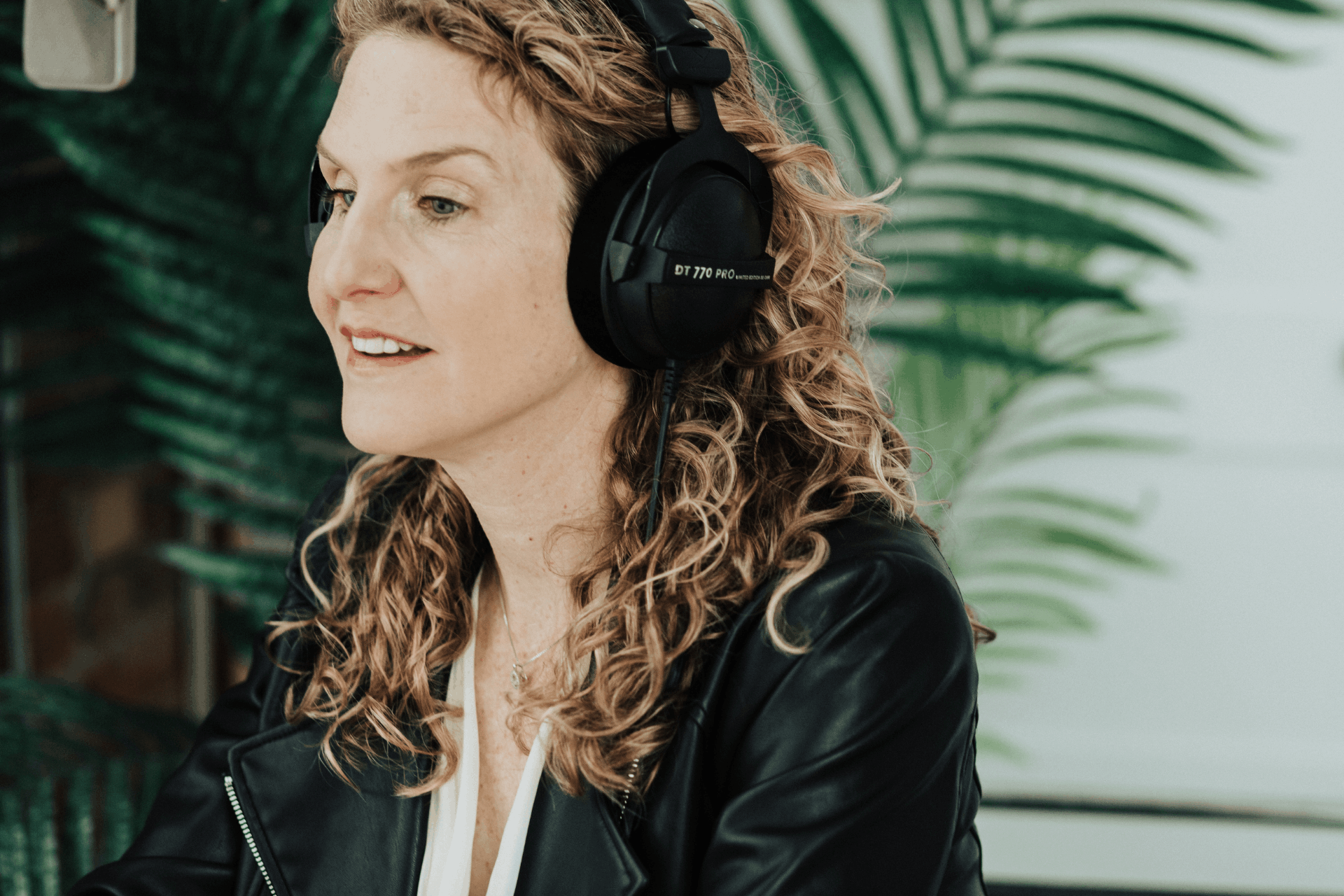
If your pharmaceutical content needs to communicate complex information with clarity and credibility, the voice behind it matters. I bring grounded delivery and technical confidence to projects where trust can’t be left to chance. Let’s connect and find the right voice for your message.